



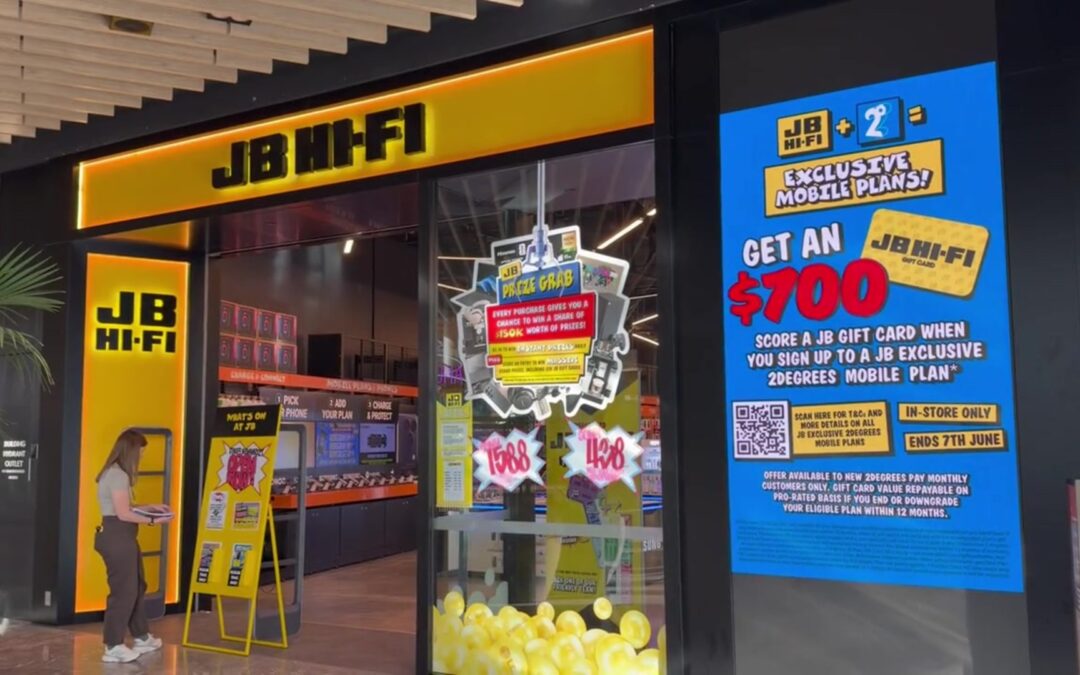
Complete Electrical Installation for a New JB Hi-Fi Retail Build Delivering electrical infrastructure for large-format retail environments requires precision, coordination, and the ability to work to strict commercial deadlines. Our team recently completed a full electrical installation for a new JB Hi-Fi retail store, providing a complete end-to-end solution from...
Trade Show Electrics in New Zealand: What Exhibitors and Event Organisers Need to Arrange
Friday, Apr 10
Written by Ryan Electrical
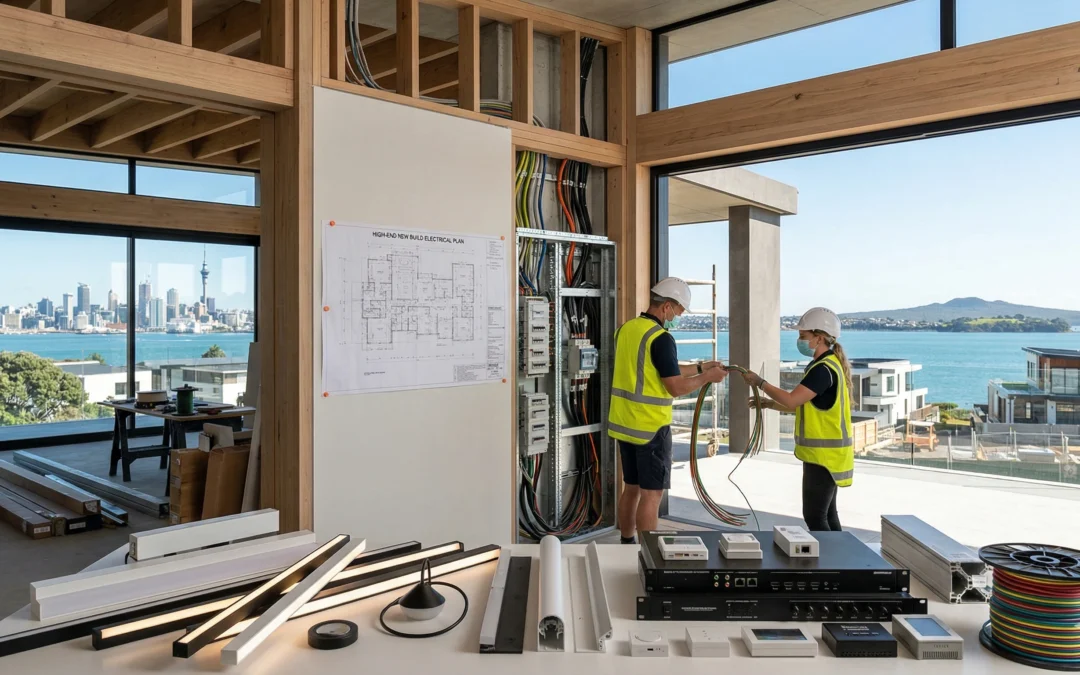
What’s Involved in the Electrical Work on a High-End Auckland New Build?
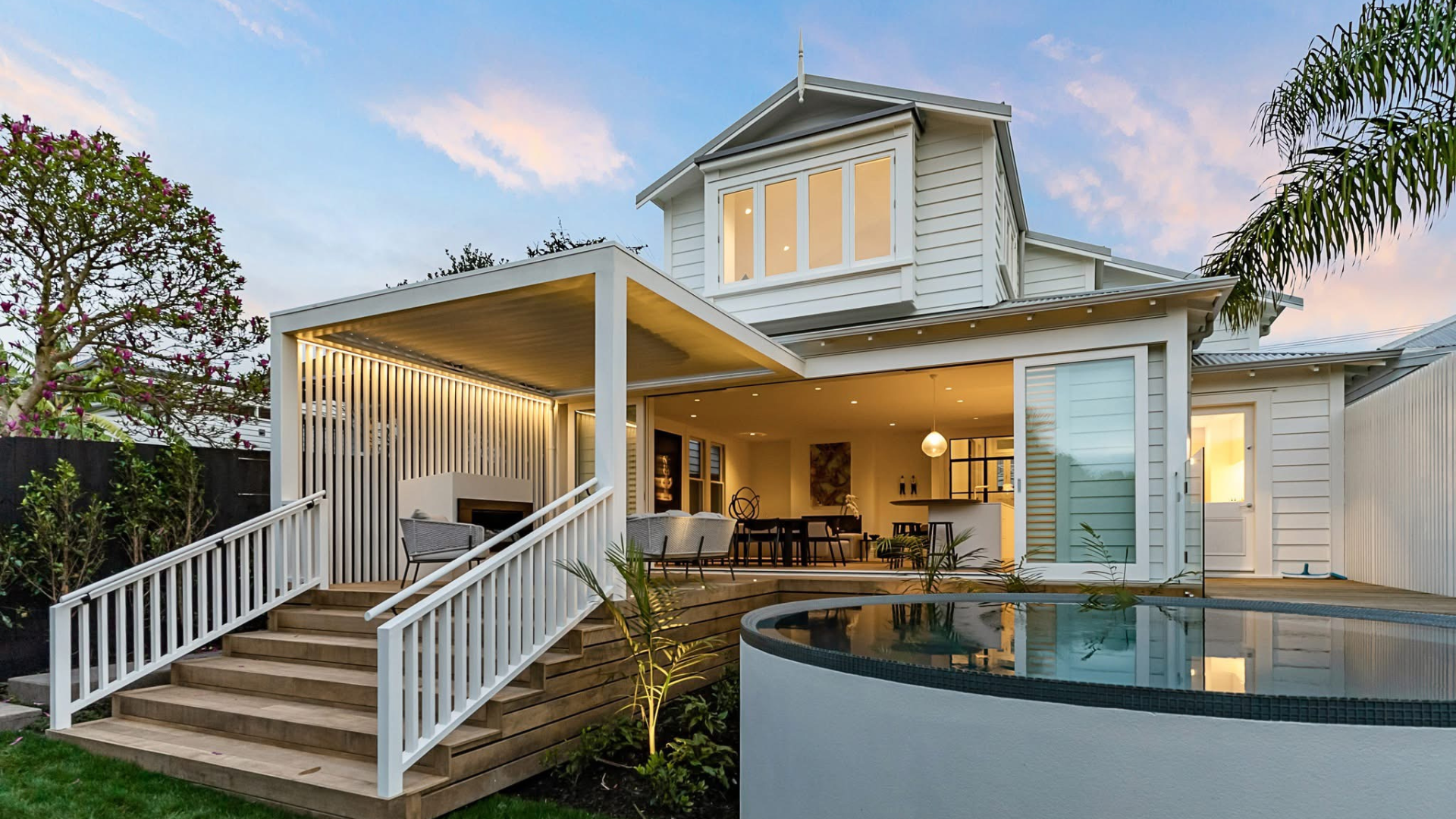
The electrical work on a high-end Auckland new build is far more involved than most homeowners and developers realise going in. From the first design consultation through to final inspection, it touches every part of the project and requires careful coordination with architects, builders, and project managers at every stage....
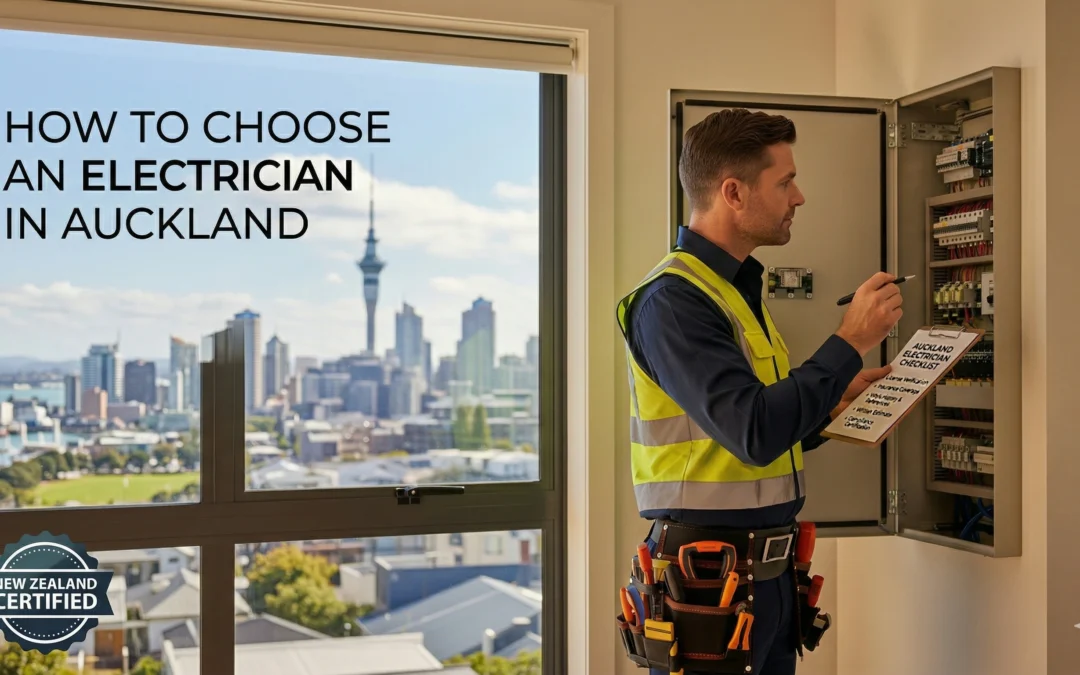
How to Choose an Electrician in Auckland: What to Check Before You Hire
Hiring the wrong electrician in Auckland can cost you far more than the original job. This guide covers exactly what to look for, from licensing and accreditations through to how they communicate, so you can hire with confidence and avoid the most common mistakes homeowners and project managers make. KEY...
Most exhibitors think about their stand design, their signage, and their product displays. The electrics get left until the last minute — and that's when problems start. This guide covers everything exhibitors and event organisers need to arrange for trade show electrical work in New Zealand, so your stand is safe, compliant, and ready to impress from the moment the doors open.
KEY POINTS:
- Temporary electrical installations at trade shows must meet the same compliance standards as permanent work in New Zealand
- Lead times matter; book your electrical contractor well before the event, not the week before
- Lighting is one of the most powerful tools on a trade show stand. Treat it as part of your display strategy, not an afterthought
- Working with a contractor who understands the trade show environment saves time, stress, and costly mistakes on setup day
- Clear communication between the exhibitor, the display company, and the electrician is what makes a stand come together properly
Why Trade Show Electrics Deserve More Attention Than They Get
Walk the floor of any major New Zealand trade show, whether that's Fieldays in Hamilton, the Tauranga Home Show, or a large-scale food or lifestyle expo, and you'll notice something quickly. The stands that stop people are almost always the ones with great lighting. Not necessarily the biggest stands or the most expensive fitouts, just the ones where someone has thought carefully about how light draws attention, creates atmosphere, and directs where people look.
And yet, for most exhibitors, the electrics are the last thing arranged and the first thing that causes stress on setup day. Extension cords that don't reach, power requirements that exceed the allocated supply, lighting that was never discussed with the display company, and a contractor who's never worked in a trade show environment before. These are avoidable problems, every one of them.
Whether you're exhibiting for the first time or you've done dozens of shows, here's what needs to be arranged, and when.
Understand What You're Actually Dealing With Legally
Temporary electrical installations at trade shows are not exempt from New Zealand's electrical safety regulations. The same standards that apply to permanent wiring in a building apply to the temporary power setups inside an exhibition hall or on a show site.
That means all electrical work must be carried out by a licensed electrical contractor. It means the installation must be safe, correctly rated for the load it's carrying, and signed off appropriately. It means you can't simply plug a series of power boards into a single venue outlet and hope for the best.
Venue operators and event organisers are increasingly strict about this, and rightly so. If your electrical setup doesn't meet requirements, you may be asked to pull it down before the show opens. The cost of that, in time, money, and stress, is high. Start with a licensed contractor who understands the compliance environment, and this risk disappears entirely.
Start Earlier Than You Think You Need To
This is the single most common mistake exhibitors make. Electrical contractors who specialise in trade shows and exhibitions are in high demand around major event dates. Fieldays alone draws hundreds of exhibitors, many of whom need temporary power and lighting. Leave your booking too late and you'll either miss out on the contractor you want or pay a premium for a rushed job.
As a general rule, lock in your electrical contractor at the same time you confirm your stand space. If you know the event is in six weeks, make the call now. Brief them on your stand dimensions, your power requirements, and any specific lighting needs. Give them time to plan the job properly rather than scrambling to pull it together on setup day.
Good contractors will also flag things you haven't thought of, load capacity questions, cable routing across high-traffic areas, generator requirements for outdoor sites, the kind of detail that only comes from having done this many times before.
Lighting Is Your Most Powerful Display Tool
If you take one thing from this guide, let it be this. Lighting is not just about being able to see your products. It's about directing attention, creating mood, and making your stand look intentional and professional from ten metres away.
Harsh overhead venue lighting is unflattering and generic. It makes every stand look the same. A well-planned lighting setup, whether that's focused spotlights on hero products, warm ambient lighting that draws people in, or dramatic backlighting behind a feature display, immediately differentiates your stand from the ones around it.
This is where working with an electrical contractor who has genuine exhibition experience pays dividends. They understand how different light sources behave in an exhibition environment, how to position fittings for maximum effect without creating glare, and how to execute a lighting brief that comes from a designer or display company. It's a collaborative job, and the result is always better when the electrician is part of the conversation early.
Know Your Power Requirements Before You Brief Anyone
Before you can brief an electrician properly, you need to know what you're actually running. Work through your stand and list every piece of equipment that needs power, screens and monitors, lighting rigs, appliances for product demonstrations, charging stations, sound systems, and refrigeration if you're in food and beverage. Add up the wattage, and you have a rough picture of your load requirements.
Share this with both your electrical contractor and your event organiser. Most venues allocate a standard power supply to each stand, and if your requirements exceed that allocation, you'll need to arrange additional supply in advance. Finding this out on setup day is not a situation you want to be in.
Your electrician can help you work through this if you're unsure. A good brief includes your floor plan, your equipment list, and any specific notes from your display or fitout company about where power points need to be positioned.
Working With a Display Company, Coordinate Early
Many exhibitors work with a display company to design and build their stand. This is where coordination becomes critical. The display company knows where the walls, counters, and feature elements are going. The electrician needs to know where cables need to run, where fittings need to be mounted, and where power points need to be located.
When these two parties don't communicate until setup day, things go wrong. Fittings end up in the wrong position, cable runs are obstructed by structural elements, or the display company has assumed power will appear somewhere it isn't going. None of this is difficult to avoid; it just requires an early conversation between all parties.
If you're the exhibitor, make the introduction. Put your display company and your electrical contractor in touch with each other before setup week. Share the stand design drawings with the electrician. A thirty-minute conversation beforehand can save hours of frustration on the day.
What to Expect on Setup Day
On a well-planned show, setup day should be straightforward. Your contractor arrives with the right equipment, knows the stand layout, understands the power allocation, and works efficiently alongside the rest of your setup crew. Cables are routed cleanly, fittings are positioned correctly, and everything is tested and signed off before the venue opens to the public.
That outcome doesn't happen by accident. It's the result of good planning, early communication, and working with a contractor who has done this enough times to anticipate problems before they occur. Ask your contractor what they need from you to make setup day run smoothly, and then make sure they have it.
For outdoor events and shows where mains power isn't available, your contractor can also advise on generator sizing and setup. This is common at agricultural shows and outdoor lifestyle events, and it's entirely manageable with the right preparation.
Trade show electrical work isn't complicated when it's planned properly. The exhibitors who have smooth setup days and standout displays are simply the ones who treated the electrics as part of the project from the beginning, not something to sort out at the end.
If you're exhibiting at an upcoming New Zealand trade show or event and want a team that knows the environment, get in touch early and let's talk through what your stand needs.
Exhibiting at a New Zealand Trade Show or Event?
Ryan Electrical has been providing temporary lighting and power for trade shows, exhibitions, and display events across New Zealand for decades. From Fieldays and the Tauranga Home Show to art shows and product launches, we work alongside exhibitors and display companies to make sure your stand is powered, lit, and ready to go. We're fully licensed, EWRB registered, and experienced in coordinating with display teams to bring stands to life.
Get in touch early and we'll make sure your next show runs without a hitch. 📞 027 479 5066 ✉️ ryanelectrical@xtra.co.nz 🌐 ryanelectrical.kiwi
Family Owned and Operated!