





Complete Electrical Installation for a New JB Hi-Fi Retail Build Delivering electrical infrastructure for large-format retail environments requires precision, coordination, and the ability to work to strict commercial deadlines. Our team recently completed a full electrical installation for a new JB Hi-Fi retail store, providing a complete end-to-end solution from...
What’s Involved in the Electrical Work on a High-End Auckland New Build?
Friday, Apr 10
Written by Ryan Electrical
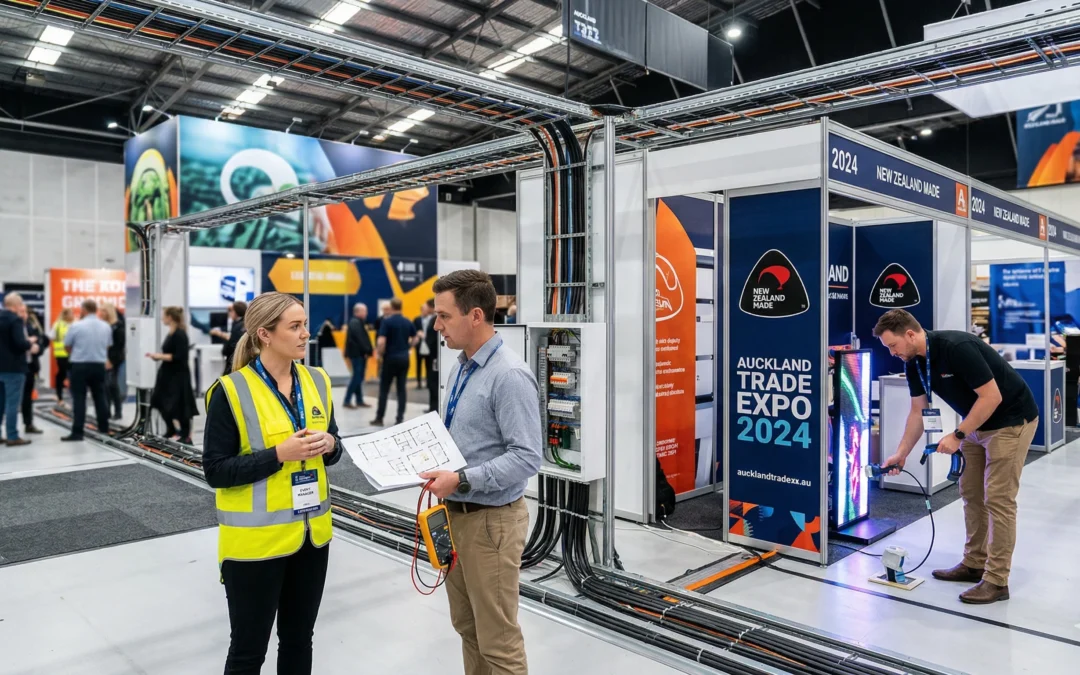
Trade Show Electrics in New Zealand: What Exhibitors and Event Organisers Need to Arrange
Most exhibitors think about their stand design, their signage, and their product displays. The electrics get left until the last minute — and that's when problems start. This guide covers everything exhibitors and event organisers need to arrange for trade show electrical work in New Zealand, so your stand is...

How to Choose an Electrician in Auckland: What to Check Before You Hire
Hiring the wrong electrician in Auckland can cost you far more than the original job. This guide covers exactly what to look for, from licensing and accreditations through to how they communicate, so you can hire with confidence and avoid the most common mistakes homeowners and project managers make. KEY...
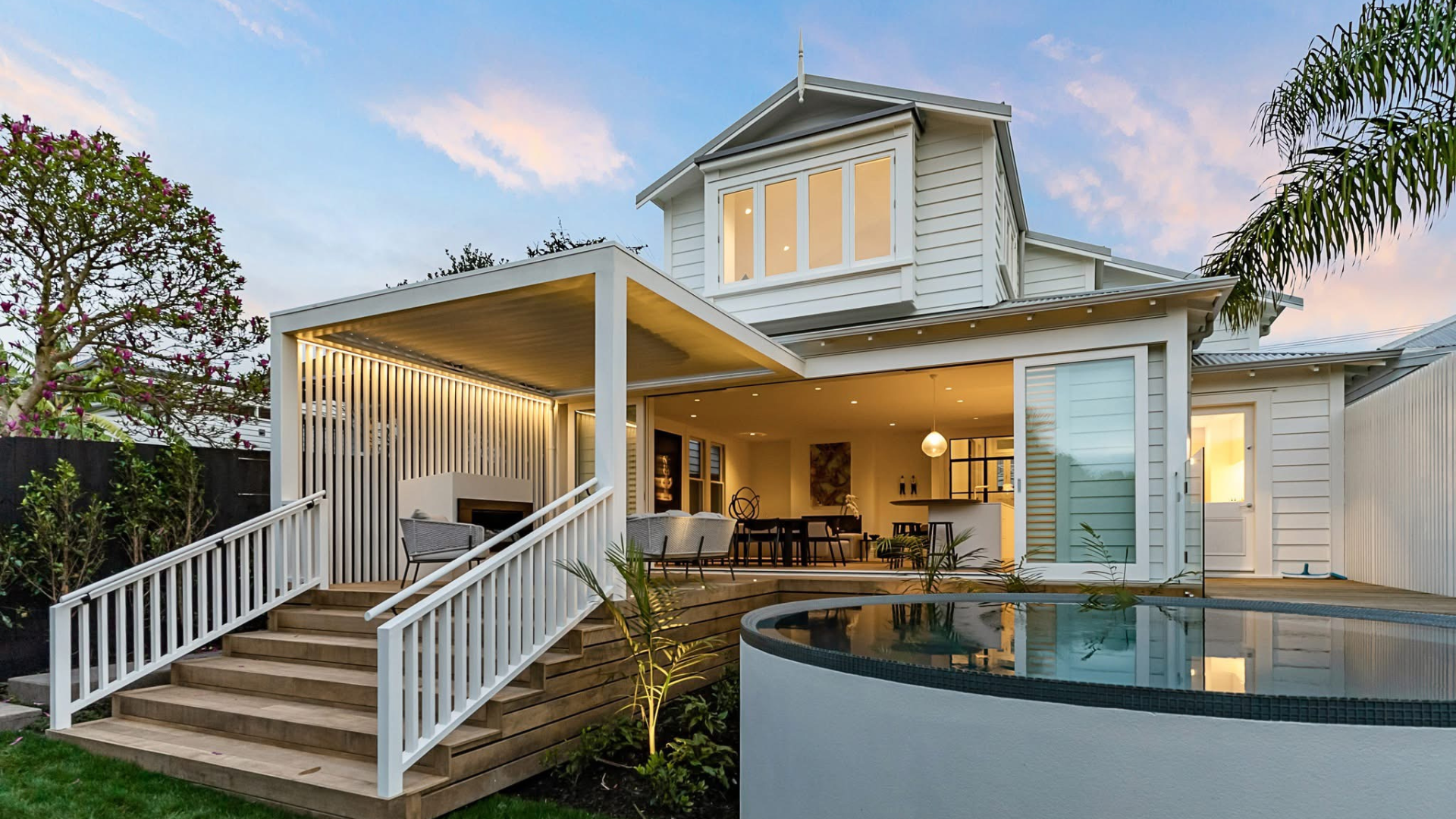
The electrical work on a high-end Auckland new build is far more involved than most homeowners and developers realise going in. From the first design consultation through to final inspection, it touches every part of the project and requires careful coordination with architects, builders, and project managers at every stage. This guide walks through what's actually involved, so you know what to expect and what to look for in the team you choose.
KEY POINTS:
- Electrical planning on a high-end new build starts at the design stage, not once the framing goes up
- The rough-in phase is where most of the critical work happens, long before anything is visible
- Lighting design on a premium home is a specialist discipline that goes well beyond fitting standard light points
- Coordination with your architect and builder is what separates a smooth build from a costly one
- Final inspection and sign-off is non-negotiable, and the quality of the paperwork matters as much as the quality of the work
Why Electrical Planning on a Premium Build Starts Earlier Than You Think
There's a version of events that many first-time developers and homeowners go through. The architect has done a beautiful job, the builder is on site, framing is going up, and somewhere around this point, someone asks who's doing the electrical. By then, decisions have already been made that affect where switches can go, how lighting will work in certain spaces, and whether the home automation system anyone had in mind is actually achievable within the existing structure.
On a high-end Auckland new build, this is an expensive mistake to make. The electrical contractor needs to be engaged at the design stage, before consents are lodged, before the slab is poured, and certainly before the frame goes up. The earlier they're involved, the more options you have, and the fewer surprises appear on the invoice later.
Here's what the process actually looks like when it's done properly.
Design and Consultation, Getting It Right on Paper First
The first stage of electrical work on a premium new build is a detailed design consultation. This is where the electrician works through the plans with the homeowner, architect, and project manager to understand exactly what the property needs to deliver.
At this stage, the conversation covers a lot of ground. How many circuits are needed and where? What's the switchboard specification? Is there a home automation or smart lighting system involved? What are the outdoor lighting and power requirements? Are there features like heated floors, a pool, a home theatre, or a workshop that carry specific electrical demands?
Getting these decisions made on paper is significantly cheaper than making them on site. Changes to electrical layouts mid-build mean cutting into framing, rerouting conduit, and revisiting work that's already been done. On a premium home where the finishes are expensive, and the margins for error are slim, early planning is not optional; it's essential.
The Rough-In, Where Most of the Real Work Happens
Once the frame is up and the build is weathertight, the rough-in phase begins. This is where the majority of the electrical work takes place, and it's almost entirely invisible once the linings go on. It's also where the quality of the contractor you've chosen becomes apparent.
Rough-in involves installing all the conduit, cable runs, junction boxes, and structural wiring throughout the building before the walls and ceilings are closed in. Every power point, light fitting, switch, data point, smoke alarm, and appliance connection is mapped out and roughed in at this stage.
On a high-end build, the rough-in is considerably more complex than a standard home. Multi-room audio systems, automated blinds, EV charging infrastructure, security and camera wiring, underfloor heating circuits, outdoor entertaining areas with weather-rated fittings, these all need to be planned and installed during the rough-in before the opportunity closes.
A good electrician at this stage is methodical, well-organised, and communicates constantly with the builder and project manager. Trades are working in overlapping sequences, and the coordination required to keep everyone moving without creating conflicts is a skill in itself.
Lighting Design on a Premium Home Is Its Own Discipline
One of the areas that separates a high-end new build from a standard one is the level of thought that goes into lighting. In a premium Auckland home, lighting is not simply a matter of putting a ceiling rose in the middle of each room. It's a considered design exercise that affects how the architecture is experienced, how spaces feel at different times of day, and how the home presents from the street and outdoors.
This typically involves working with the architect or interior designer on a lighting plan that specifies different types of fittings for different purposes. Recessed downlights for general illumination, directional spotlights to highlight artwork or architectural features, strip lighting inside joinery and under cabinetry, pendants as statement pieces over islands and dining tables, and carefully positioned exterior lighting that makes the landscaping and facade come alive at night.
The electrician's role is to take that design intent and execute it precisely. That means understanding how different fittings behave, how to position them for the effect the designer is after, and how to wire them into circuits that allow for the kind of flexible control, dimming, zoning, scene-setting that a premium home buyer expects. It requires experience, not just technical competence.
Coordinating With the Wider Project Team
On a high-end new build, the electrician doesn't work in isolation. They're one part of a project team that typically includes the architect, the main contractor, a project manager, a kitchen designer, a landscaper, a home automation specialist, and various other subcontractors. The ability to coordinate seamlessly with all of these people is what determines whether a build runs smoothly or constantly hits friction.
This means attending site meetings, responding to RFIs (requests for information) from the architect promptly, flagging potential clashes with other trades before they become problems, and keeping the project manager informed about progress and any issues that arise. It means being proactive rather than waiting to be asked.
Homeowners undertaking a high-end build often underestimate how much this coordination capacity matters. The technical skill to install the electrical work is a baseline requirement. The ability to communicate clearly, show up reliably, and operate professionally within a complex project environment is what actually makes the difference in how the build goes.
Fit-Off, Final Inspection, and Sign-Off
Once the linings are on, the painting is done, and the home is approaching completion, the electrician returns for fit-off. This is where all the visible elements are installed, switches, power points, light fittings, rangehood connections, appliance hookups, the switchboard is completed and labelled, and the system is tested end to end.
On a high-end build, fit-off takes longer and requires more care than a standard home. Expensive fittings need to be handled correctly, finishes need to be protected, and every element needs to be installed to a standard that matches the quality of the rest of the build. A scratch on a designer switch plate or a light fitting that's a few millimetres off centre is noticed on a premium home in a way it wouldn't be elsewhere.
Once fit-off is complete, the electrical work must be inspected and a Certificate of Compliance issued. This is a legal requirement in New Zealand, and it's the document that confirms the installation meets the required safety standards. For the homeowner, it's also important for protection; without it, you may face complications with your insurance or when you come to sell the property.
Choose an electrician who treats the paperwork with the same care as the work itself.
A high-end Auckland new build is one of the most rewarding projects an electrical contractor works on. It's also one of the most demanding. The standard expected is high, the coordination required is constant, and the margin for error is small. When it comes together well, the result is a home where every switch, every fitting, and every circuit performs exactly as it should, and where the electrical work is simply invisible in the best possible way.
If you're planning a premium new build in Auckland and want a team with the experience and professionalism to match, we'd love to be part of it from the start.
Planning a High-End New Build in Auckland?
Ryan Electrical has been working on premium residential new builds and renovations across Auckland since 1984. We work closely with homeowners, architects, and project managers from the design stage through to final sign-off, bringing the same level of care and coordination to every project. Our team is fully EWRB registered, Site Safe accredited, and members of Master Electricians NZ and ECANZ.
The earlier you bring us in, the smoother your build will be. 📞 027 479 5066 ✉️ ryanelectrical@xtra.co.nz 🌐 ryanelectrical.kiwi
Family Owned and Operated!